SPECTRA M-S
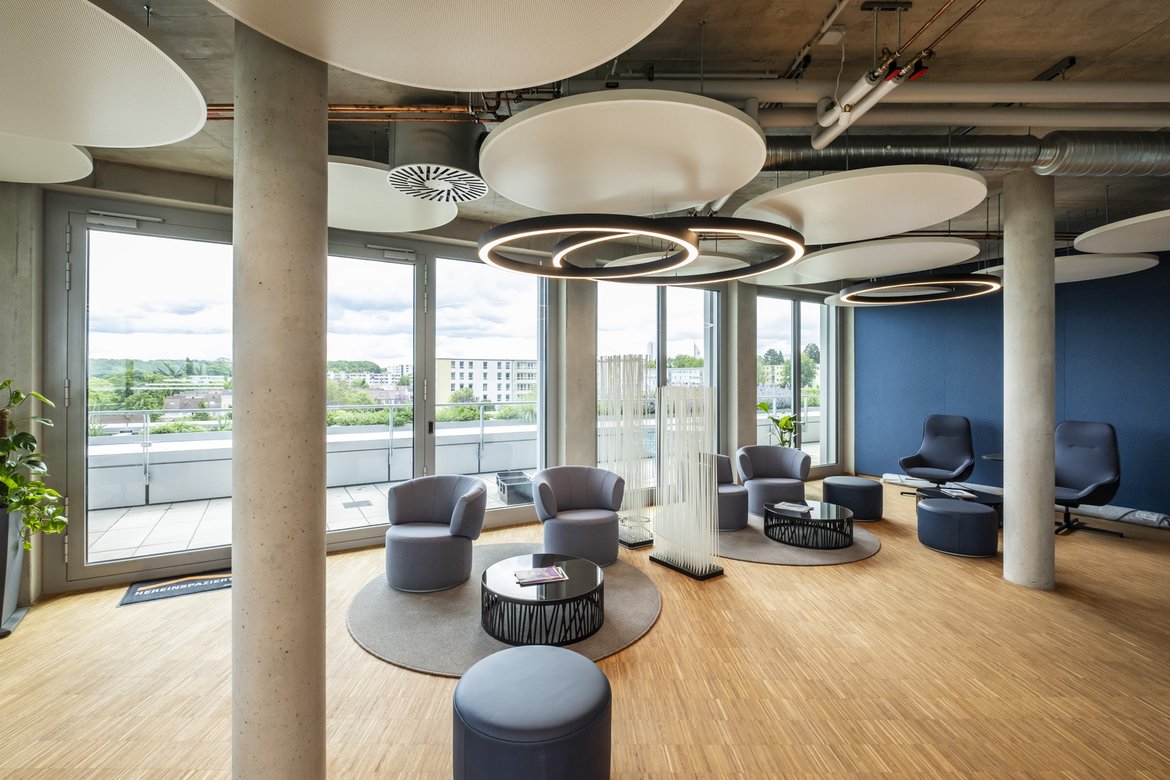
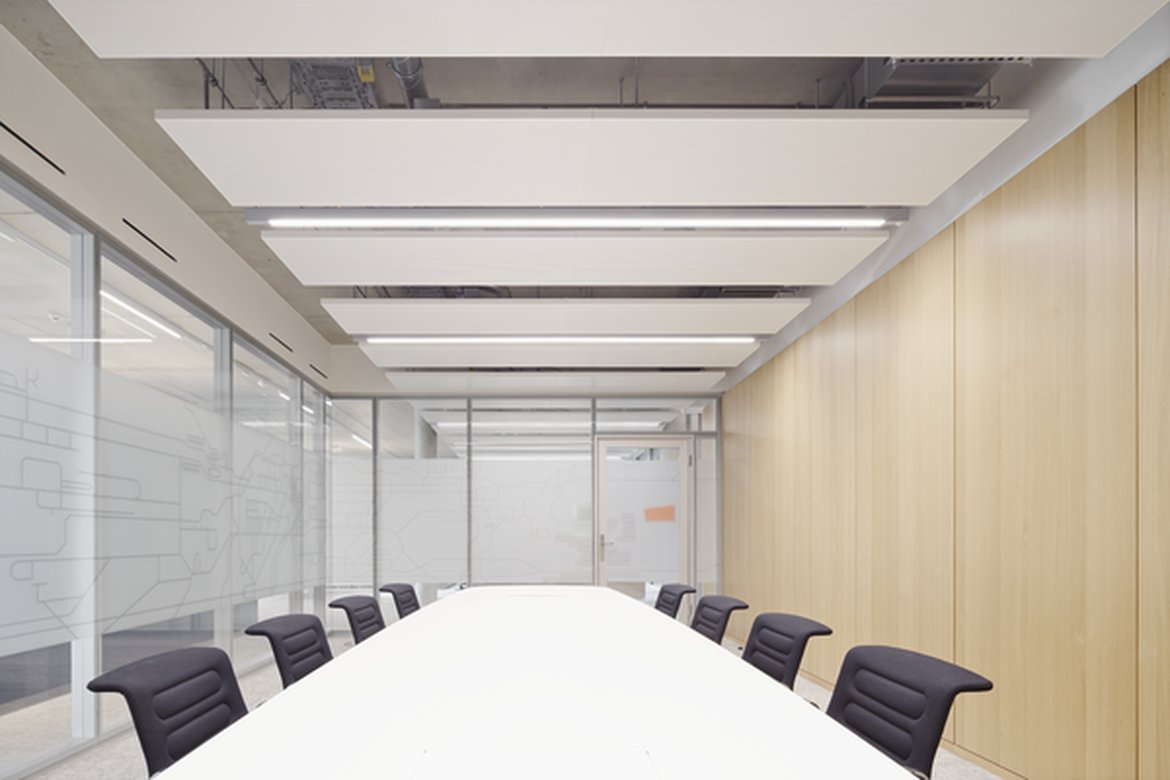
Radiant metal ceiling sail
Contact us
- Thermal comfort according to EN ISO 7730, SIA 382/1
- Building material class B-s2, d0 according to EN 13501-1
- Environmental Product Declaration (EPD) available
- Very high heating and cooling capacity
- Superior sound absorption values (class A)
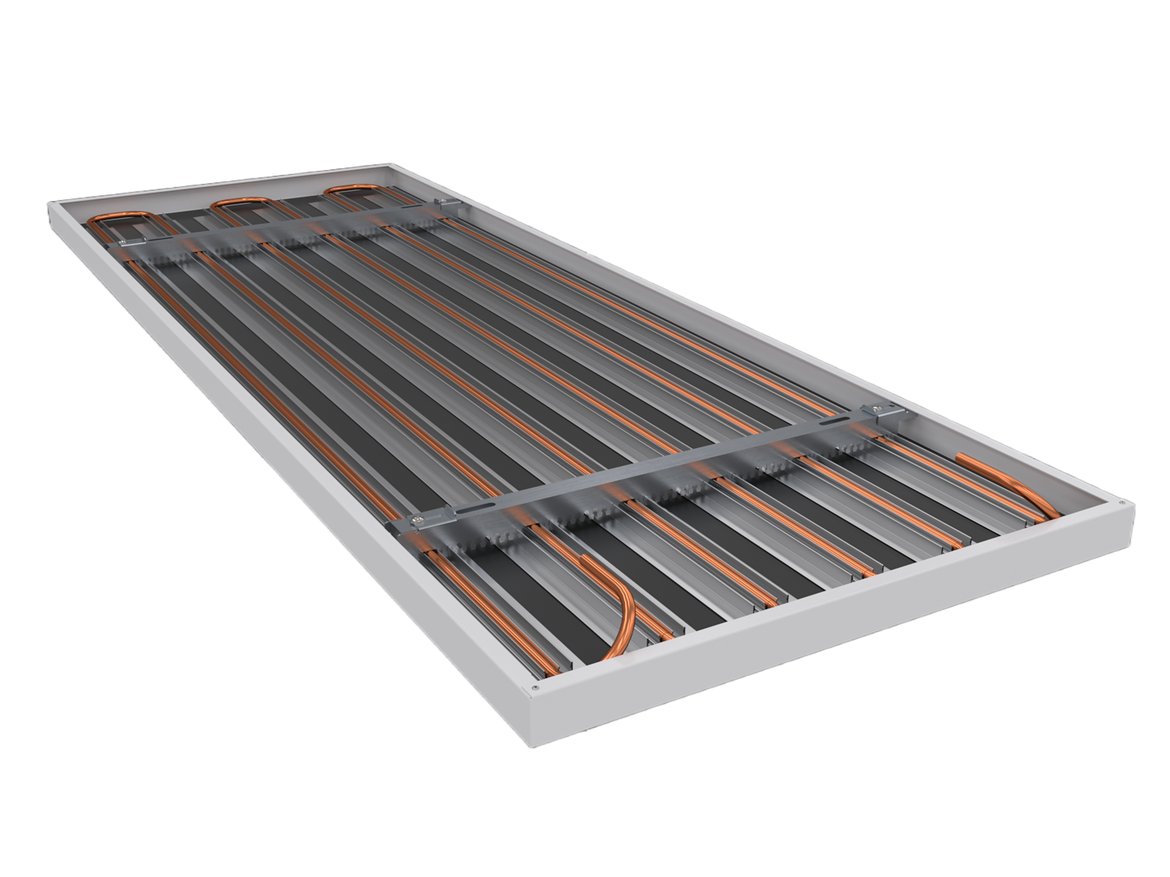
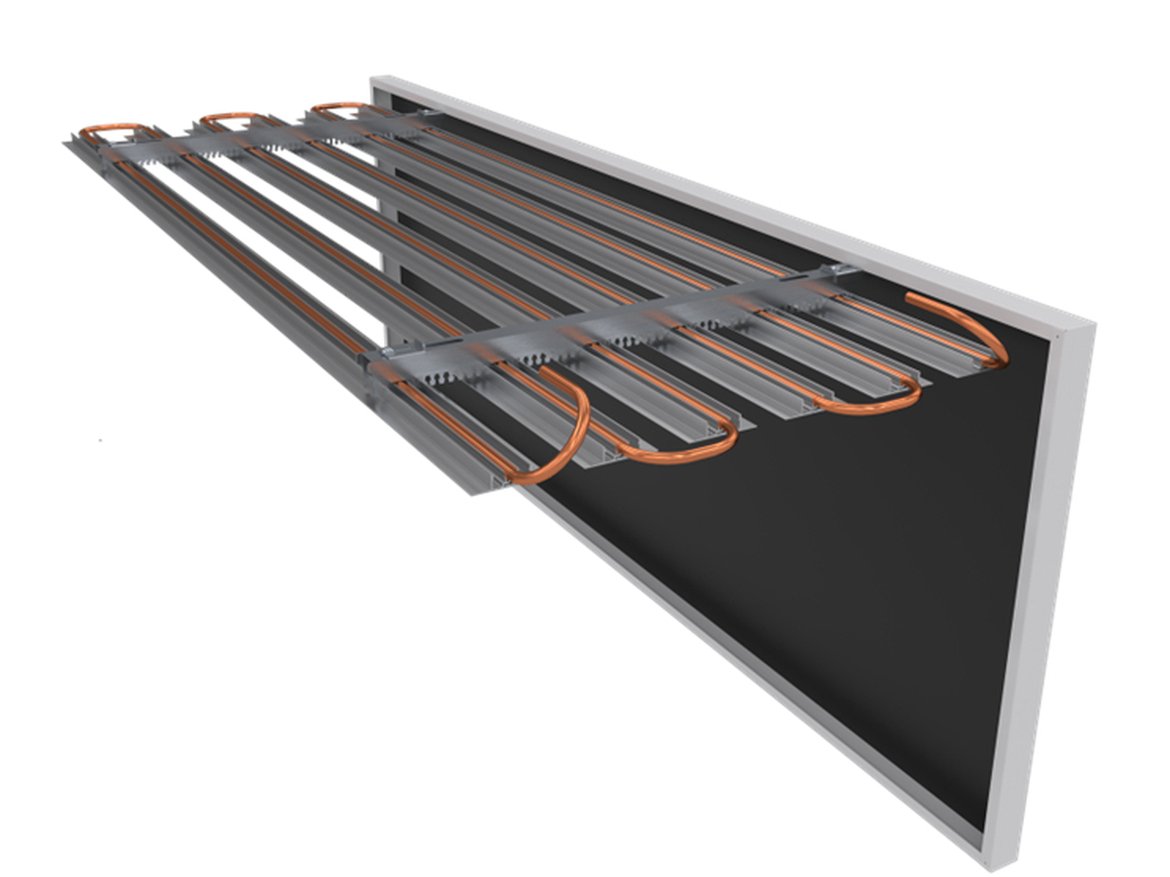
- Ceiling panels and activation registers connected using magnetic technology
- Tool-free installation and removal of the registers
- Product components can be separated by material type
- Components can be integrated
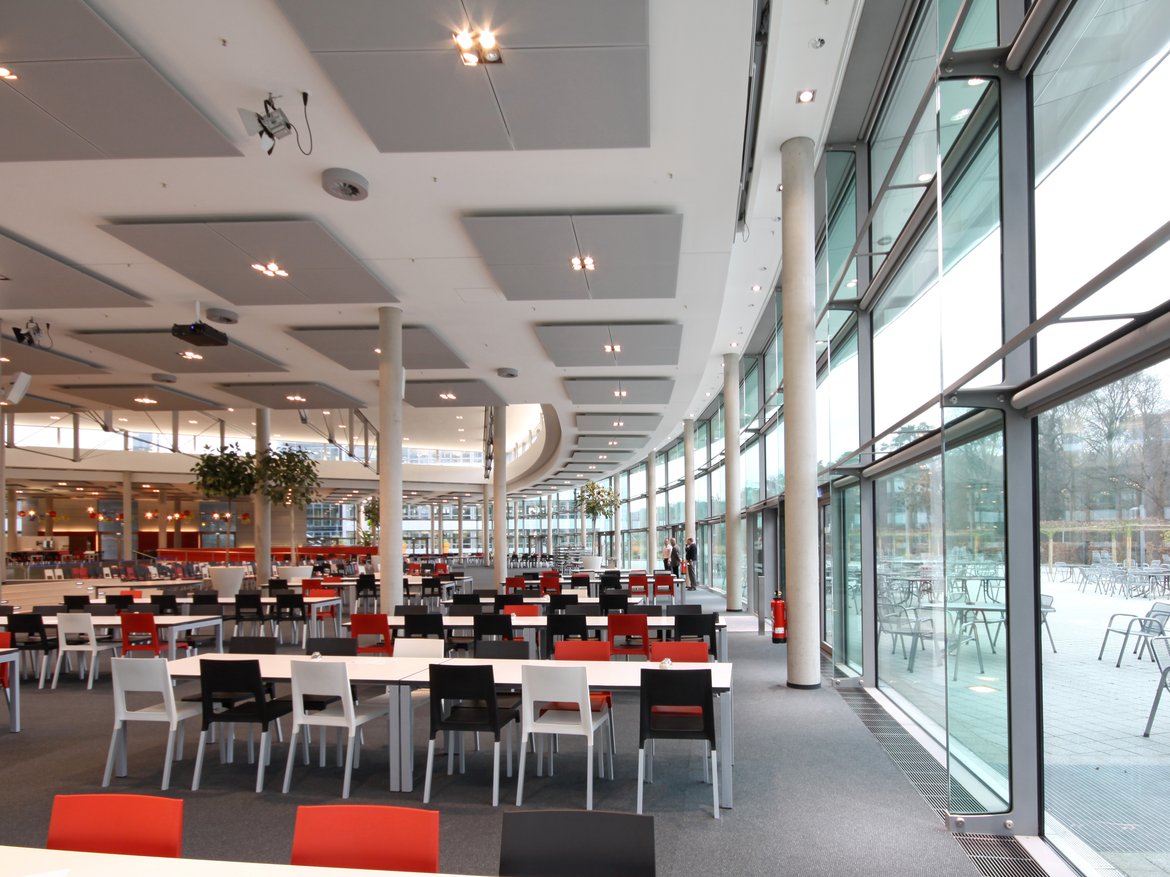
- Can be combined with AQUILO, CAURUS and FAVO
System combinations
|
Cooling capacity
> 75 W/m² (8 K) |
|
|
Heating capacity
> 100 W/m² (15 K) |
|
|
Sound absorption
Class A |
|
|
Carbon footprint
< 50 kg CO2/m² |
|




Cooling capacity
The cooling capacity corresponds to the amount of energy per second removed from the room via heat radiation and convection. It is determined in accredited climate laboratories in accordance with SN EN 14240.
For comparison: the heat emitted by a person in an office via radiation and convection is approx. 70 – 80 W; the heat emitted by a laptop is approx. 20 – 50 W.
Heating capacity
The heating capacity corresponds to the energy per second added to the room via heat radiation and convection. It is determined in accredited climate laboratories in accordance with SN EN 14037.
For comparison: The heat output of a person in an office via radiation and convection is approx. 70 – 80 W, whilst that of a laptop is approx. 20 – 50 W.
Sound absorption
As the largest unobstructed surface in a room, the ceiling is particularly well suited to sound absorption. The sound absorption class is determined in accordance with EN ISO 11654, based on measurements carried out in accordance with EN ISO 354 in accredited laboratories.
It serves as a parameter for acoustic designers to calculate the effect of a product on a room’s reverberation time.
Carbon footprint
An Environmental Product Declaration (EPD) transparently presents various environmental impacts of a product based on a life cycle assessment. The calculation is carried out in accordance with the standards and methodological requirements specified in the EPD. Where stated, the EPD is verified by an independent third party.
Ceiling system
Sail
Operation principle
Radiation / Convection
Air supply
visible
Capacity (water)
- Cooling: up to 103 W/m² (ΔT: 8 K)
Active area ratio: 85 %
- Heating: up to 119 W/m² (ΔT: 15 K)
Acoustics
αw: up to 1,0
Sound absorption class A
(EN ISO 11654)
Room comfort
Thermal comfort according to
EN ISO 7730, SIA 382/1